
Air-Drying
Air-Drying Garden Herbs
Bundling, hang-drying and screen-drying methods, with humidity and timing notes for indoor Canadian conditions.
Read article →Home herb preservation · Canada
A working reference for air-drying herbs from a backyard or balcony garden, choosing the right storage containers, and labeling jars so the harvest stays usable from one growing season to the next.

What this site covers
Each stage is documented as a standalone article with measurements, timing windows and material notes that apply to a temperate Canadian climate.
Bundling, hang-drying and screen-drying methods, with humidity and timing notes for indoor Canadian conditions.
Read article →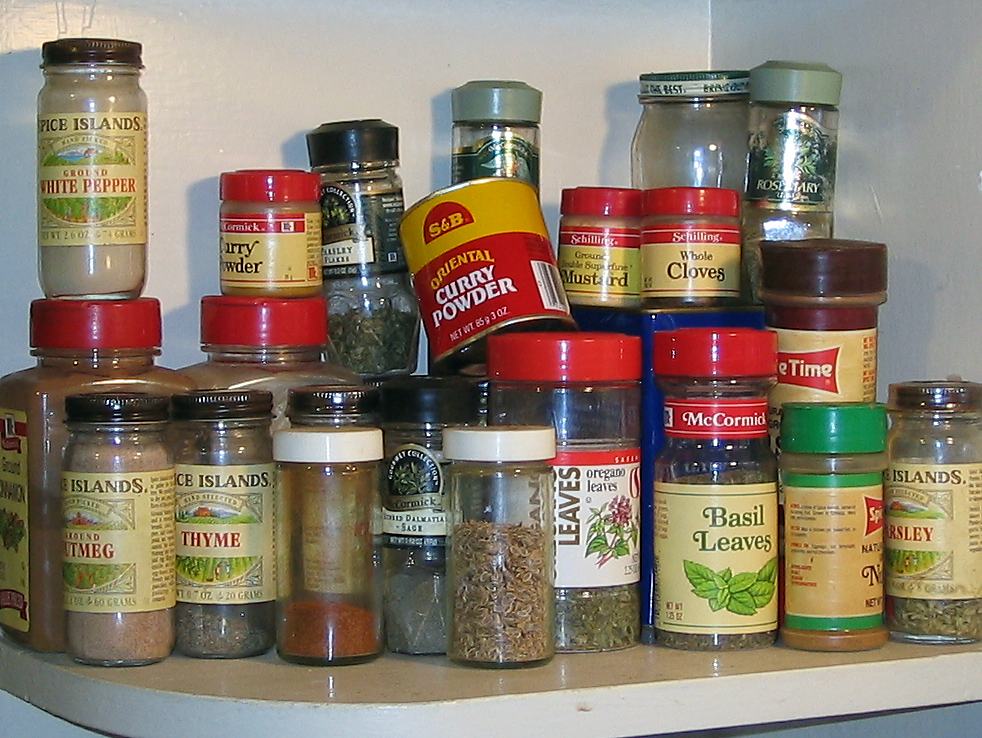
Comparing glass jars, tins and the trade-offs of whole versus crushed leaves for keeping flavour and colour.
Read article →
What to write on a label, how long dried leaf herbs stay worthwhile, and simple ways to track each batch.
Read article →How the steps connect
Drying, storing and labeling are usually treated as separate chores, but the result of each one decides how well the next works. Leaves dried too quickly lose oils; jars filled before the leaves are fully dry trap moisture; an unlabeled jar loses its harvest date within weeks.
The short timeline below shows the order most home preservers follow, from cutting stems to a finished, dated jar on the shelf.
Indoor humidity rises in sealed Canadian homes during heating season; drying notes account for slower evaporation in cold months.
Methods rely on cotton string, paper bags, mesh screens and recycled glass jars rather than specialised equipment.
Guidance is cross-checked against publicly available material from extension and government food-safety sources.
Contact
If a method needs clarifying or a detail looks wrong for your region, send a note. The form below records your details in the browser only and does not transmit anything to a server.