Labeling
Labeling dried herbs and tracking shelf life
A label turns an anonymous jar into a record. Once several batches share a cupboard, the harvest date is what tells you which jar to reach for first and when a herb has passed its useful window.

What a useful label says
A label does not need to be elaborate. Four pieces of information cover almost every home need:
- Herb name — including the variety if you grow more than one, such as “Greek oregano”.
- Harvest or drying month and year — the single most useful entry for judging freshness.
- Form — whole leaf or crushed, since crushed herbs fade faster.
- Source — optional, but helpful if you grow in more than one bed or share with neighbours.
Label materials that stay put
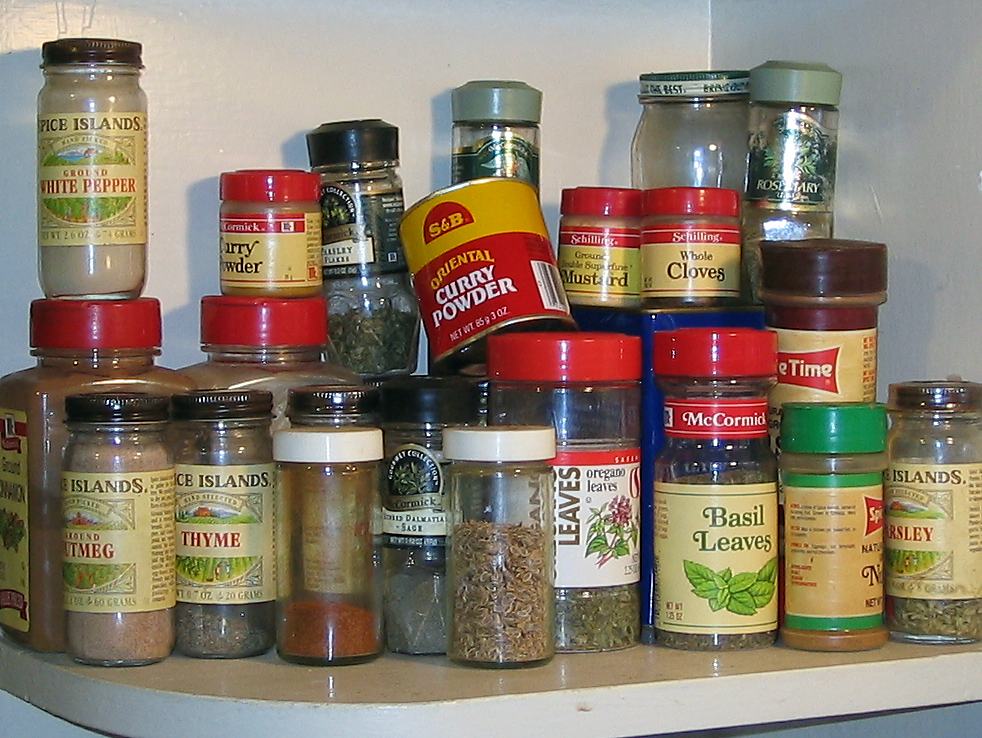
Removable jar labels or plain masking tape with a permanent marker both work. For jars you reuse season after season, write on the lid as well so the information survives even if a side label peels in a humid cupboard. Test that the marker does not smudge once dry before trusting it on a full jar.
How long dried herbs stay worthwhile
Dried herbs do not spoil in the way fresh food does when they are kept dry, but their flavour fades. The practical question is not safety so much as whether there is still enough aroma to be worth using. As a general guide for home-dried leaf herbs kept whole, cool and dark:
| Form | Typical useful window | Sign it is past its best |
|---|---|---|
| Whole leaf herbs | Around one to three years | Little scent when a leaf is crushed |
| Crushed or ground | Shorter than whole leaf | Dull colour and faint aroma |
The rub-and-smell test
To check a jar, crush a small pinch between your fingers and smell it. A strong, characteristic aroma means the herb is still worth cooking with. If it smells of little more than dust, the oils have faded and it is time to replace the batch — even if the jar is not empty.
A simple rotation
Keep the newest jar at the back and move older jars forward, the same first-in, first-out habit a kitchen pantry benefits from. Dating every jar makes this automatic: a quick scan of the labels shows which herb to finish before opening a fresh one.