Storage
Choosing storage containers for dried herbs
Once herbs are fully dry, the container decides how much flavour survives the months ahead. The three enemies of stored herbs are air, light and moisture, and the right jar in the right place keeps all three in check.
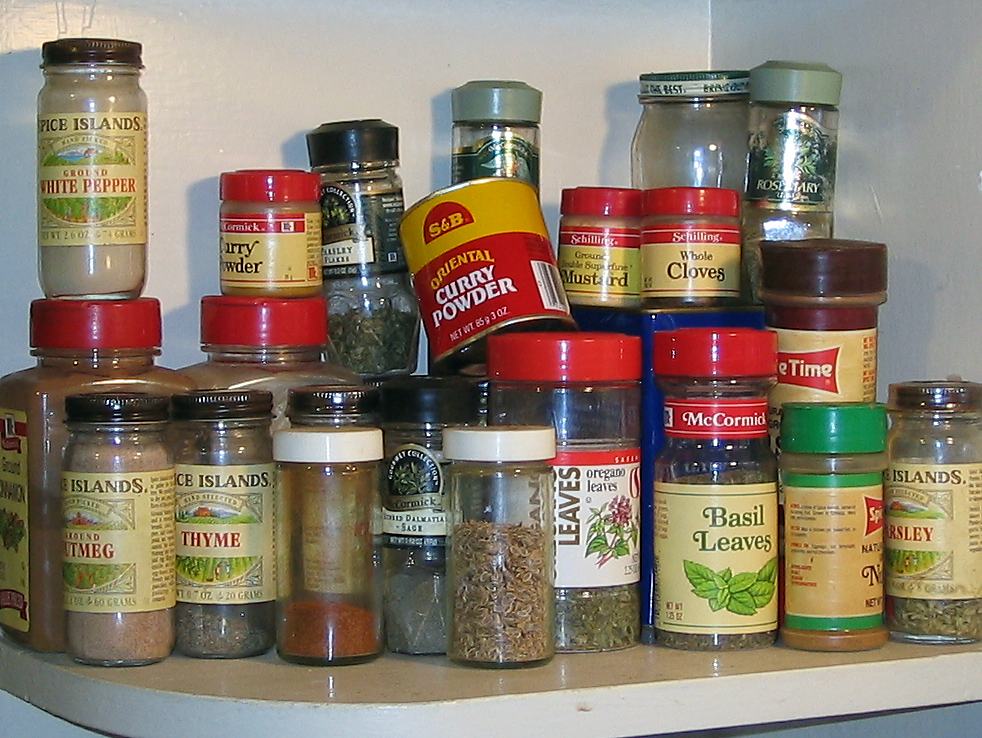
Wait until they are truly dry
Sealing herbs that still hold moisture is the most common storage mistake. Leaves should crumble and stems should snap before anything goes into a jar. A useful check: fill a clear jar, seal it, and leave it on the counter for a day. If droplets form on the inside of the glass, the herbs need more drying time before they are packed away again.
Container options compared
| Container | Strengths | Watch-outs |
|---|---|---|
| Glass jars with tight lids | Airtight, easy to clean, lets you see the contents and check for moisture | Clear glass admits light; keep in a dark cupboard |
| Metal tins | Block light completely, sturdy, reusable | You cannot see the contents; needs a label |
| Resealable bags | Compact, good for short-term overflow | Seals are not fully airtight; not ideal for long storage |
| Original spice jars (reused) | Right size, already labeled with a name slot | Wash and dry thoroughly between herbs to avoid mixed aromas |
Whole leaves or crushed
Store herbs as whole as possible. The aromatic oils that carry flavour sit in the leaf, and crushing or grinding exposes far more surface area to air, which speeds their loss. Crush a pinch only when you are about to cook with it. Whole rosemary needles, sage leaves and thyme sprigs all hold their character noticeably longer than the same herbs ground in advance.

Where to keep the jars
A cool, dark, dry cupboard away from the stove is the goal. Heat and steam are why the shelf directly above or beside a cooktop is one of the worst spots, even though it is the most convenient. Aim for these conditions:
- Cool — a stable room temperature, not next to an oven, dishwasher or radiator.
- Dark — a closed cupboard or drawer, or opaque tins on an open shelf.
- Dry — away from the sink, kettle and other sources of steam.
Fill jars without crowding the lid
Leave a small gap at the top so the lid seals cleanly and you can shake the jar to check the herbs still move freely. If herbs clump or the glass fogs after a few days, empty the jar and dry the contents further before resealing.